
Rainwater Harvesting: A Family Project
Rainwater harvesting is a fantastic way to conserve water, reduce your utility bills, and teach your family about sustainability. It’s a project that everyone can get involved in, from kids to adults. Let’s explore how you can set up a rainwater harvesting system at home and meet some inspiring young environmentalists who are making a difference.
WATER
Esmeralda de Vries
11/1/20242 min read
Hey Global Guardians!
Rainwater harvesting is a fantastic way to conserve water, reduce your utility bills, and teach your family about sustainability. It’s a project that everyone can get involved in, from kids to adults. Let’s explore how you can set up a rainwater harvesting system at home and meet some inspiring young environmentalists who are making a difference.
What is Rainwater Harvesting?
Rainwater harvesting is the practice of collecting and storing rainwater for later use. This water can be used for various purposes, such as gardening, flushing toilets, and even drinking (with proper treatment). It’s an ancient practice that is gaining new relevance as we face increasing water scarcity and environmental challenges.
The Power of Collective Action
When families come together to implement rainwater harvesting, they can make a significant impact. Here are some data points to show the effectiveness of collective action:
Water Savings: A single rain barrel can save up to 1,300 gallons of water during peak summer months.
Community Impact: Neighborhoods that adopt rainwater harvesting collectively can significantly reduce their reliance on municipal water supplies.
Environmental Benefits: Reducing runoff helps prevent erosion and water pollution, protecting local waterways and ecosystems.
Benefits of Rainwater Harvesting
Water Conservation: Reduces the strain on municipal water supplies and helps conserve this precious resource.
Cost Savings: Lowers your water bills by using harvested rainwater for non-potable uses.
Plant Health: Provides chemical-free water for your garden, which is better for plants.
Emergency Supply: Acts as a backup water source during emergencies or disruptions to the municipal supply.
How to Set Up a Rainwater Harvesting System
Choose a Collection Area
Select a suitable area for collecting rainwater, typically your roof. Ensure your gutters and downspouts are clean and in good condition.
Install a Rain Barrel
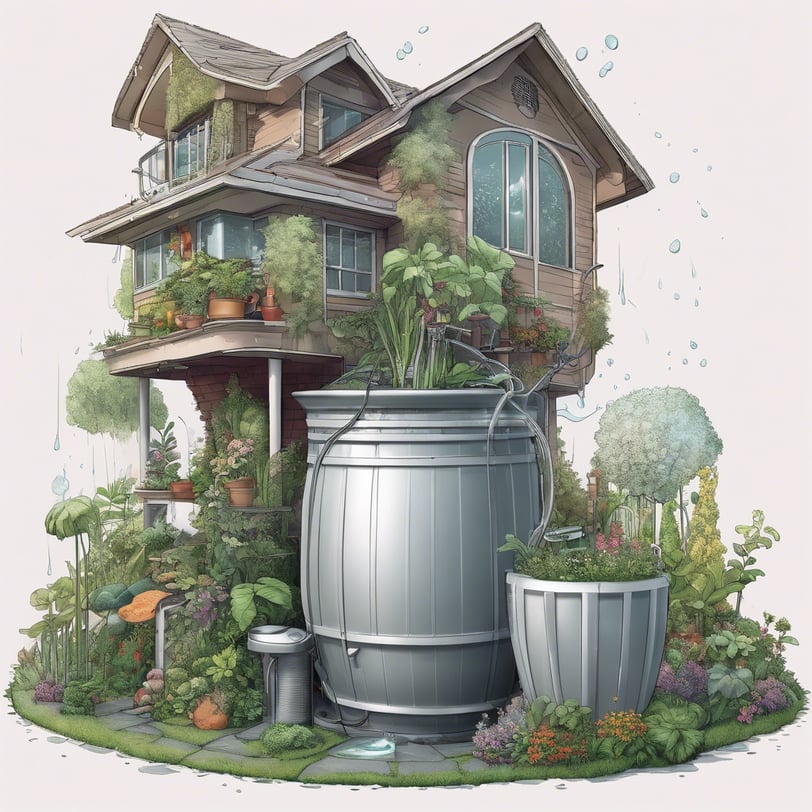
A rain barrel is a simple and effective way to start harvesting rainwater. You can purchase a ready-made barrel or make your own using a large, food-grade container. Place the barrel under a downspout to collect water.
Materials Needed:
Rain barrel or large container
Downspout diverter
Mesh screen (to keep debris out)
Hose or spigot (for easy access to water)
Steps:
Position the barrel under a downspout.
Attach the downspout diverter to direct water into the barrel.
Cover the top of the barrel with a mesh screen to prevent debris and insects from entering.
Install a hose or spigot near the bottom of the barrel for easy water access.
Expand your system:
For larger-scale rainwater harvesting, consider installing multiple barrels or a larger storage tank. You can also connect your system to an irrigation setup for your garden.
Maintain Your System
Regular maintenance is crucial to ensure your system works efficiently. Clean the gutters and screens periodically, and check for any leaks or blockages.
The Future is Bright
Rainwater harvesting is a powerful way to create lasting change. By educating yourself and inspiring others, you can help protect our water resources and ensure access to clean water for all.
So, Global Guardians, are you ready to make a difference? Let’s use our passion, creativity, and determination to harvest rainwater and create a brighter future for all!